
She didn’t come in asking for implants.
She came in with a feeling.
Not something anyone had ever pointed out to her. But every time she looked in the mirror, she noticed it—the slightest sense that her face lacked balance.
“It feels a little sunken here,” she said, gently touching her midface.
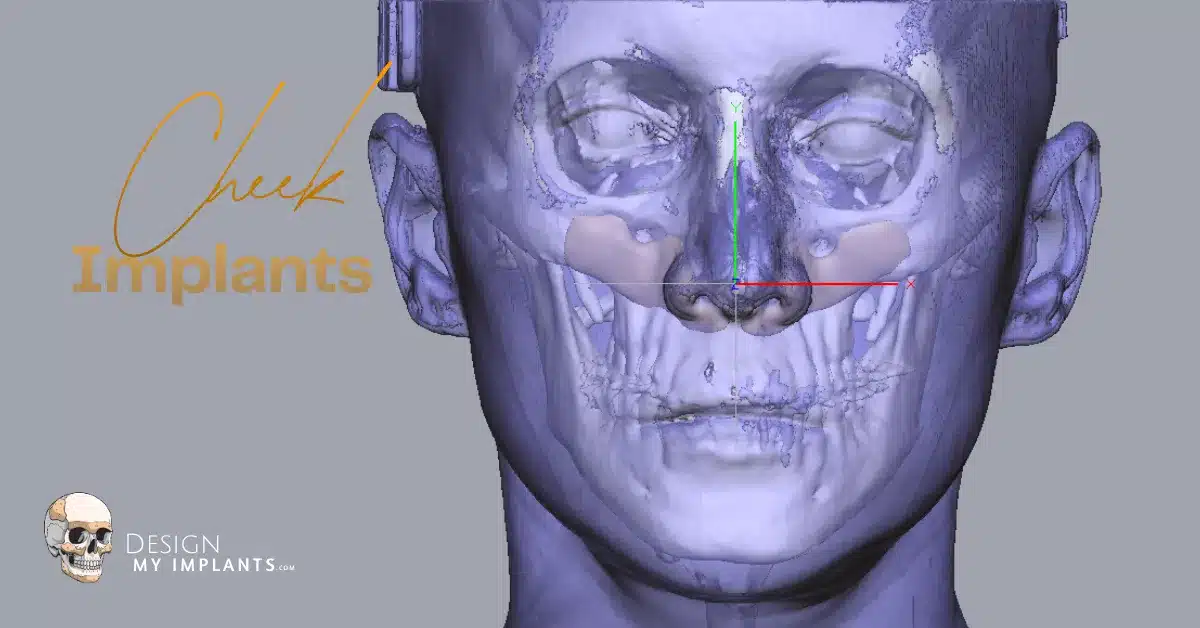
The malar and paranasal region—the area that supports the cheeks, softens the under-eye, and plays a quiet but powerful role in feminine beauty.
To most people, she already looked beautiful.
But she knew something was just… off.
When Patients Feel It Before They Can Name It
This is more common than most realize.
Patients don’t always come in saying,
“I need custom cheek implants” or “I need midface augmentation.”
Instead, they come in with instinct.
And instinct, more often than not, is right.
When she met with her surgeon—a longtime colleague and friend of ours—he showed her a previous case. Another young woman with a similar structure. A similar concern.
The moment she saw it, she didn’t hesitate.
“That’s it. That’s exactly what I want.”
Not bigger cheeks.
Not a different face.
Just… that balance.
The Diagnosis Behind the Feeling
From a clinical perspective, her instincts aligned perfectly with what we saw.
She had:
- mild volume deficiency in the malar (cheekbone) area
- subtle flatness in the paranasal region
- a lack of midface support affecting overall harmony
Nothing extreme. Nothing obvious.
But enough to influence how her face carried light, contour, and expression.
This is where experience in custom facial implants matters most.
Because the goal isn’t to add.
It’s to understand.
Designing What Shouldn’t Be Seen
With custom cheek implants, especially in subtle cases like hers, restraint is everything.
We didn’t want to change her identity.
We wanted to support it.
The design focused on:
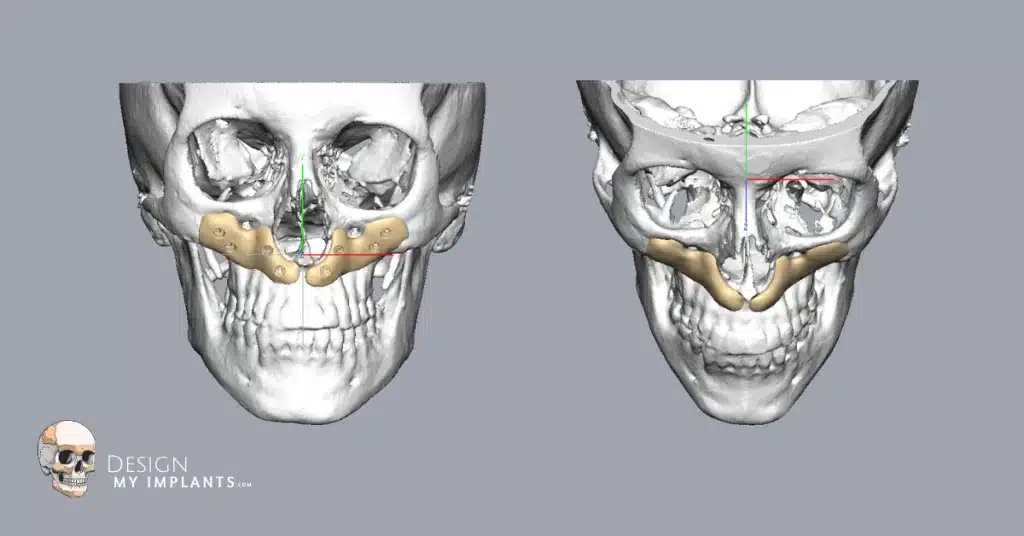
- restoring gentle volume in the midface
- enhancing cheek support without overprojection
- smoothing transitions between the lower eyelid and cheek
- maintaining softness and natural contours
The intention was simple:
No one should ask what changed.
They should only notice that something feels better.
The Art Behind the Screen
Here’s something important—and often misunderstood.
Even though implants may look similar on a screen, the outcome is not determined by the design alone.
It’s determined by:
- how the face is analyzed
- how volume is distributed
- how subtle adjustments are made based on what suits her
Two implants can look nearly identical digitally…
but produce completely different results in real life.
Because great outcomes are not about shapes.
They’re about decisions.
The Result: Quiet, Undeniable Improvement
After her procedure, nothing about her looked artificial.
There was no obvious change.
But everything worked better.
- Her cheeks reflected light more naturally
- Her midface felt supported
- Her overall facial balance improved
People didn’t ask questions.
They gave compliments.
“You look amazing.”
“You look refreshed.”
“You look really good today.”
And that’s exactly the point.
A Different Way to Think About Beauty
This wasn’t about making someone beautiful.
She already was.
This was about removing the small imbalance that stood in the way of her seeing it fully.
With custom midface and malar implants, we’re not creating something new.
We’re refining what’s already there—carefully, intentionally, and quietly.
Final Thought
She came in with a feeling she couldn’t quite explain.
She left with a result that didn’t need explaining at all.
And in facial aesthetics, that’s the highest level of success:
When the work disappears…
and only the result remains.